A Message of Urgency and Hope: Don't Wait for the Unthinkable
If you are reading this, your heart is likely heavy with the fear and confusion that comes with suspecting or confirming a diagnosis of Intervertebral Disc Disease (IVDD) in your cherished dog. You see the pain, the hesitation, the weakness, and you wonder: Will they walk again? Will they be okay? What happens next?
This comprehensive guide is designed to answer those vital questions and, more importantly, to give you a clear, actionable path forward. IVDD, often referred to as a "slipped, ruptured or herniated disc," is terrifying, complex, and potentially debilitating, but it is not a death sentence. Thousands of dogs thrive after an IVDD episode, living full, happy, and pain-free lives.
The crucial first step is to understand the Why: Why this disease strikes, why early detection is everything, and why waiting is the greatest risk. The second step is mastering the What: What treatment paths are available, what tools can maximize recovery, and what daily care ensures long-term protection and happiness, especially if surgery is off the table.
Our goal is simple: to transform you from a frightened owner into a confident caregiver, armed with the knowledge and tools—like the supportive WiggleLess back brace—to stabilize your dog's spine and reclaim their joy.
PART I: The Why – Understanding the Threat and Recognizing the First Signs
The fear of IVDD is rooted in its potential outcome: paralysis. To combat this fear, we must first face the enemy head-on by understanding the anatomy of the spinal column and recognizing the subtle, yet critical, early warnings.
What is Intervertebral Disc Disease (IVDD)?
The spine is your dog's central support structure, composed of small bones called vertebrae. Between these vertebrae are intervertebral discs, which function as fluid-filled, flexible shock absorbers, allowing the spine to move, bend, and absorb impact.
IVDD occurs when these discs degenerate or become damaged and lose their shock-absorbing function. The primary problem is the bulging or rupture of the disc material into the spinal canal—the bony pathway that houses the delicate spinal cord and nerves. When this material presses against the spinal cord, it causes pain, inflammation, and neurological deficits that can range from mild weakness to complete, life-altering paralysis.
This condition is most prevalent in certain breeds known as chondrodystrophic breeds—dogs with short legs and long backs—such as Dachshunds, Beagles, Corgis, French Bulldogs, and Shih Tzus. However, larger breeds like German Shepherds can also be affected, often at later stages of life.
Does IVDD come on suddenly?
Does IVDD come on suddenly?
IVDD can manifest in two distinct ways: either with a sudden, acute onset where a disc ruptures violently, causing immediate and severe pain or paralysis, or the symptoms can appear slowly and progressively over time, which is more common with chronic Type II IVDD. Regardless of the speed of onset, any sudden flare-up of back pain or neurological symptoms must be treated as an immediate veterinary emergency.
The speed and location of the disc event determine the severity and the symptoms.
Type I IVDD (The "Acute Event")
Type I IVDD typically affects younger dogs (around 2 years old) and involves the sudden rupture of the disc’s gel-like center (nucleus pulposus) through the tough outer layer (annulus fibrosus). This explosion of material into the spinal canal is what causes immediate, excruciating pain and rapid neurological decline, often resulting from a sudden movement, jump, or fall.
Type II IVDD (The "Degenerative Slide")
Type II IVDD is a slower, more chronic condition that affects older, non-chondrodystrophic breeds. Here, the disc material hardens, calcifies and slowly bulges through a weakened annulus fibrosus into the spinal canal over months or even years. The symptoms are often less dramatic than Type I, presenting as progressive weakness, difficulty jumping, and persistent, nagging pain.
What are the first signs of IVDD in dogs?
Recognizing the very earliest signs of IVDD is the single most important factor in achieving a positive outcome. If you notice these symptoms, you must initiate a plan of action immediately.
What are the first signs of IVDD in dogs?
The first signs often include a noticeable reluctance to move, a stiff or hunched back (especially in the mid-back or neck), shivering or shaking that is not due to cold, and extreme sensitivity when the neck or back area is touched. The dog may also cry out in pain when attempting to move, show general lethargy, or exhibit a wobbly gait or slight dragging (knuckling) of the rear paws. In severe cases, there can be dragging of the rear limbs.
While IVDD can affect any part of the spine, symptoms are generally grouped into three regions:
1. Thoracolumbar IVDD (Mid-to-Lower Back)
This is the most common form, causing issues in the middle and lower back.
Inability to walk normally or a wobbly, uncoordinated gait.
Dragging one or both hind legs.
Walking with paws turned under (knuckling).
Muscle spasms in the back.
Weakness in the hind legs, unable to support own weight.
Crossing hind legs when trying to walk.
Fecal or urinary control (incontinence).
Painful, hunched posture.
2. Cervical IVDD (Neck)
Affects the discs of the neck and can be mild or severe, often involving pain that extends through the whole body.
Holding the head low or rigid.
Refusal to move the head or neck.
Crying or yelping, particularly when picked up or when bending down to eat/drink.
Unsteadiness or knuckling in all four legs.
Arching the back due to generalized pain.
3. Lumbosacral IVDD (Tailbone/Sacrum)
This involves the very lowest part of the spine, near the tail.
Limp tail or inability to wag.
Pain when jumping or standing.
Incontinence or a dilated anus (due to nerve damage).
What to do when signs of IVDD first appear?
Once you recognize any of these symptoms, the clock is ticking. You must act decisively to protect your dog’s spinal cord.
What to do when signs of IVDD first appear?
At the very first signs of back pain or neurological deficit (knuckling or a wobbly gait), immediately initiate strict and non-negotiable crate rest for your dog to prevent any further disc rupture, and contact your veterinarian or a specialty emergency clinic for an urgent neurological exam and diagnosis. Timely action is absolutely crucial as it may prevent the condition from worsening and allow for successful conservative (non-surgical) treatment.
Immediate Action Checklist:
Strict Crate Rest (Non-Negotiable): Place your dog in a crate or a small, confined area where they cannot jump, run, or climb stairs. This means they are only allowed out to potty, and they must be supported or carried.
Contact Your Vet: Do not wait to see if it improves. Seek professional medical attention immediately. Diagnosis involves a neurological exam, and often imaging like X-rays, MRI, or CT scans to locate the damaged disc and grade the severity.
Handle With Care: When moving your dog, always use proper support to keep their chest and hindquarters straight and their back level. Never lift them by their armpits or hind legs, as this can twist the spine.
PART II: The What – Two Paths to Relief and the Conservative Alternative
Once diagnosed, your veterinarian will grade the severity of your dog’s neurological deficiency from Grade 1 (pain only) to Grade 5 (paralysis with loss of deep pain sensation). This grading determines the necessary course of action.
The Surgical Path: When Aggressive Intervention is Necessary
For dogs with severe deficits (typically Grade 4 or Grade 5, or Grade 3 cases that fail to respond to conservative care), surgery is often the recommended, life-saving choice. The goal of surgery (such as a hemilaminectomy) is to physically remove the herniated disc material that is pressing on the spinal cord, thereby relieving pressure and inflammation.
Pros: Offers the best chance for rapid recovery of function in severe, paralyzed cases.
Cons: Highly invasive, requires extensive rehabilitation, and comes with significant financial cost (often $5,000–$10,000+) and associated surgical risks.
The Conservative Path: Healing Without the Knife
For dogs with Grade 1, 2, or 3 IVDD, or for owners facing the challenges of financial strain, advanced age of the pet, or other medical contraindications, conservative (non-surgical) management is the primary path to recovery—and it is often successful.
Conservative treatment is not simply "waiting it out." It is a rigorous, demanding protocol aimed at allowing the inflammation to subside and the tear in the disc to heal, without the dog's movement causing further damage.
The Core Pillars of Conservative Management
Strict Crate Rest (4–8 Weeks): This is the foundation of recovery and cannot be overstressed. All movement that causes the spine to bend, twist, or compress must be eliminated.
Medication: Anti-inflammatory drugs (like NSAIDs or steroids) and pain relievers are essential to reduce swelling around the spinal cord and manage the dog's discomfort.
Supportive Tools (The WiggleLess Advantage): This is where a specialized dog back brace becomes invaluable.
Can dogs survive IVDD without surgery?
Can dogs survive IVDD without surgery?
Yes, a significant majority of dogs, especially those diagnosed in mild to moderate stages (Grades 1-3), survive and recover full function through non-surgical, or conservative, treatment. This protocol fundamentally relies on four to eight weeks of strict, non-negotiable crate rest, appropriate pain medication and anti-inflammatories, and external spinal stabilization tools like a dog back brace.
What to do if I can't afford IVDD surgery?
What to do if I can't afford IVDD surgery?
If IVDD surgery is financially impossible, you must immediately commit to the path of strict and comprehensive conservative management, as this path is often successful for all but the most severe, pain-losing cases. This plan involves securing weeks of strict crate rest, working with your vet for essential anti-inflammatory and pain medications, and utilizing cost-effective supportive devices like the WiggleLess back brace for crucial spinal stabilization during the critical healing period. You may also look into veterinary financing programs or pet-specific charitable organizations.
PART III: The WiggleLess What – Stabilization, Recovery, and Long-Term Protection
In the high-stakes world of IVDD recovery, the goal is stabilization. To protect the spinal cord, it’s important to limit three harmful movements—flexion (forward bending of the spine), extension (backward arching), and lateral movement (unstable side-to-side motion).
This need for external, non-invasive support is the very reason tools like the WiggleLess Dog Back Brace were created, serving as an indispensable component of both recovery and prevention.
Why a Back Brace is Crucial for IVDD Recovery
The WiggleLess brace is not a miracle cure, but rather a vital piece of medical equipment that supports the work of conservative care, especially for dogs who cannot undergo surgery. It fulfills a single, critical purpose: Restricting movement to facilitate healing.
1. The Power of Stabilization
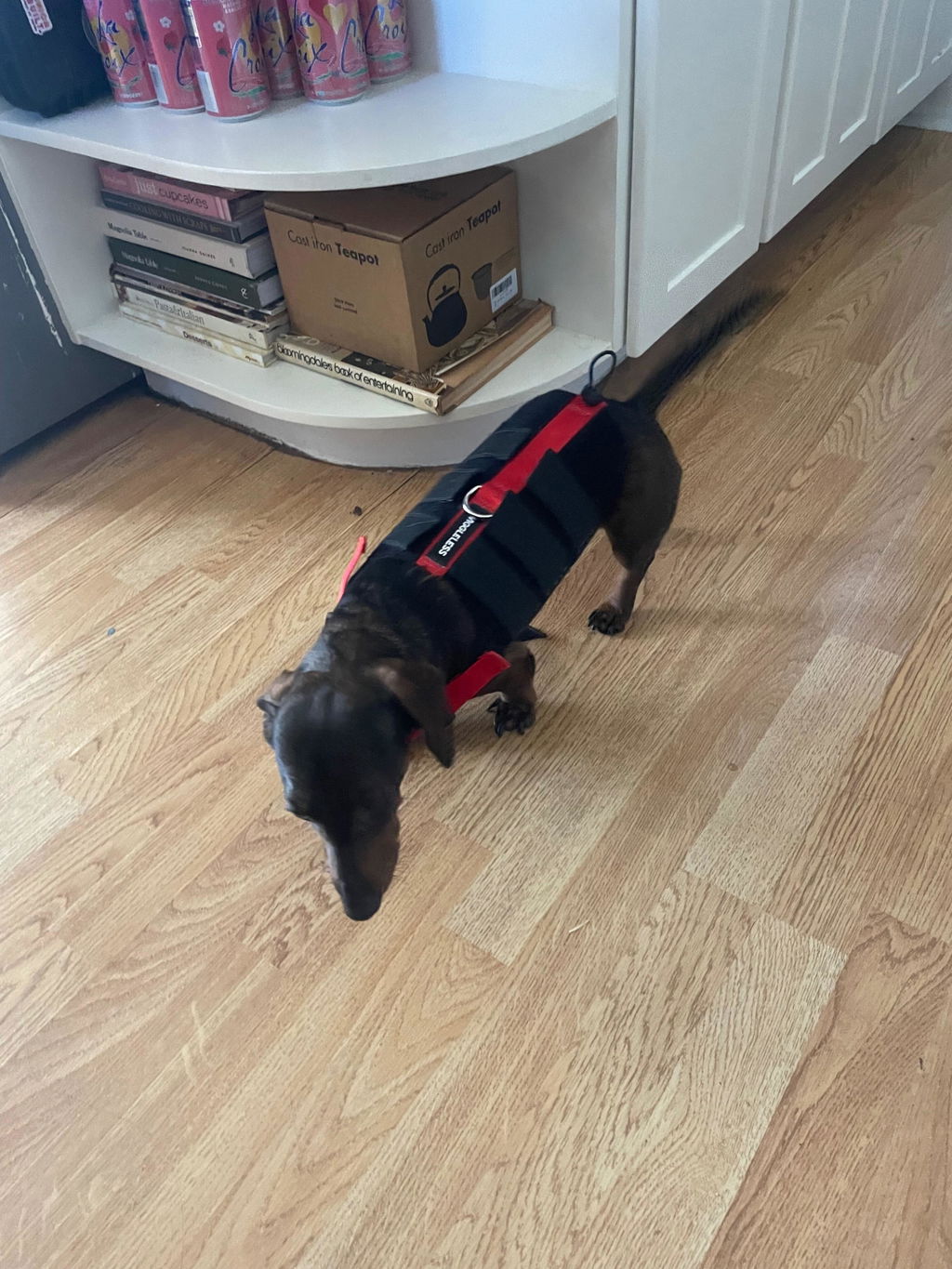
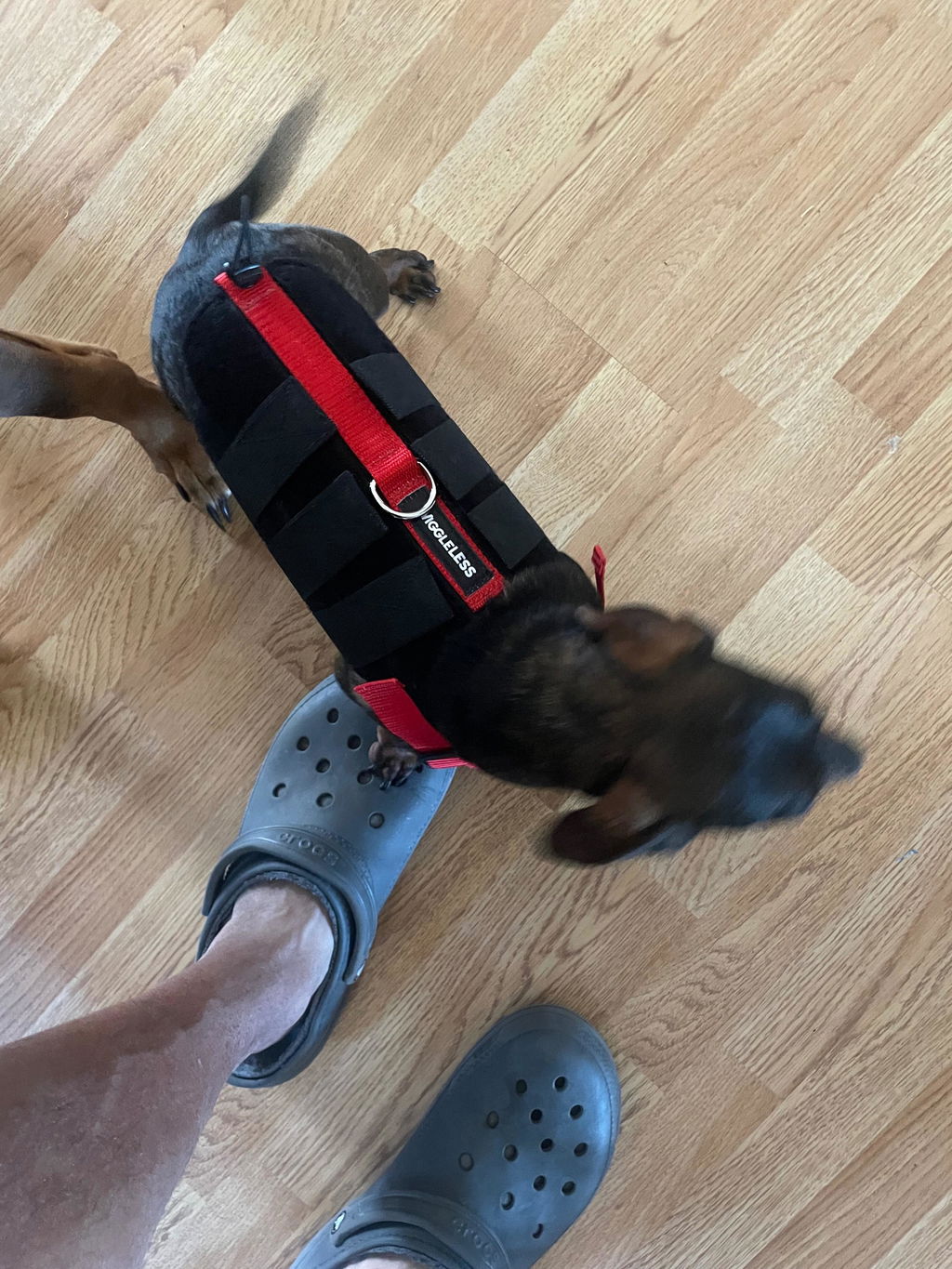
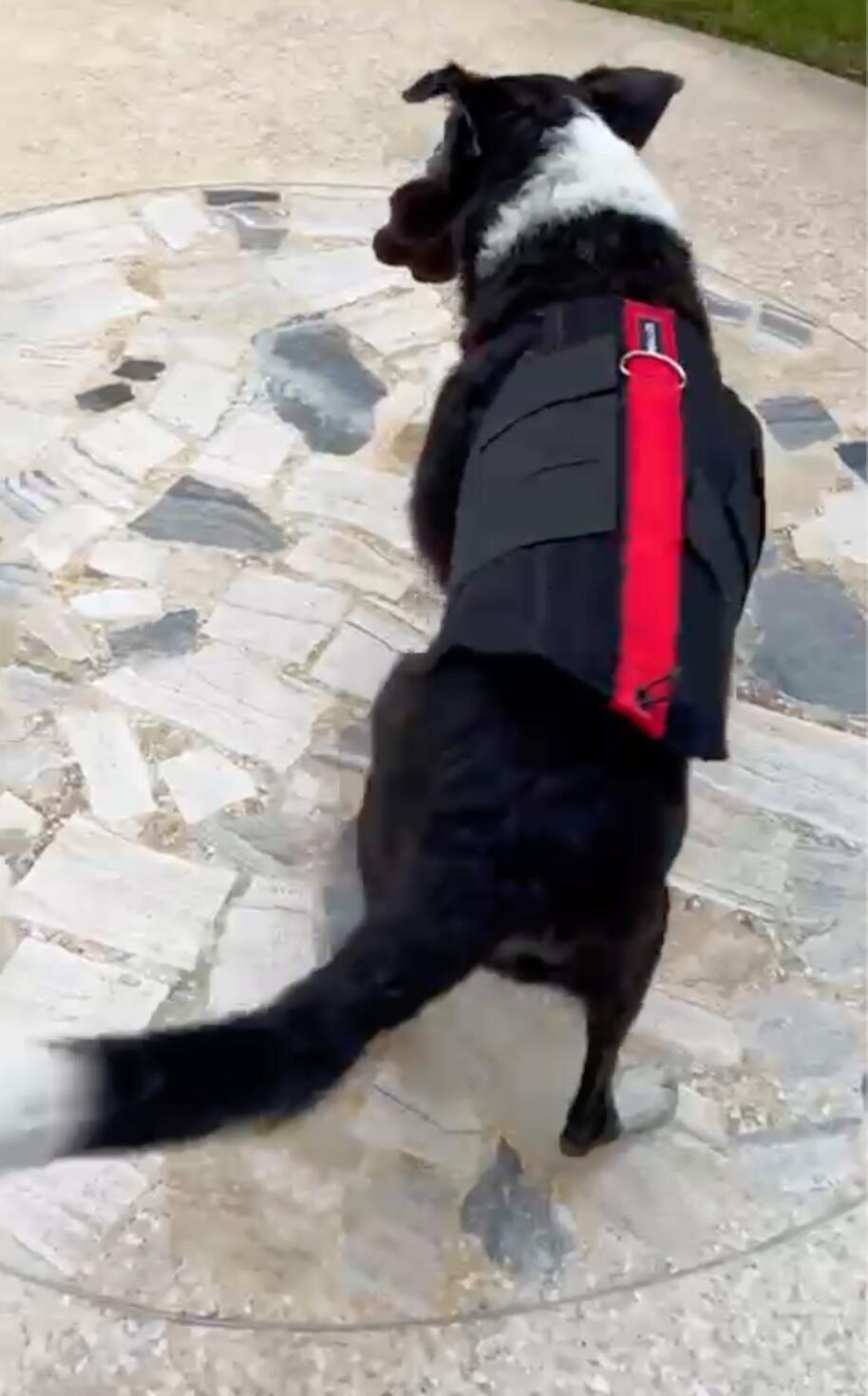
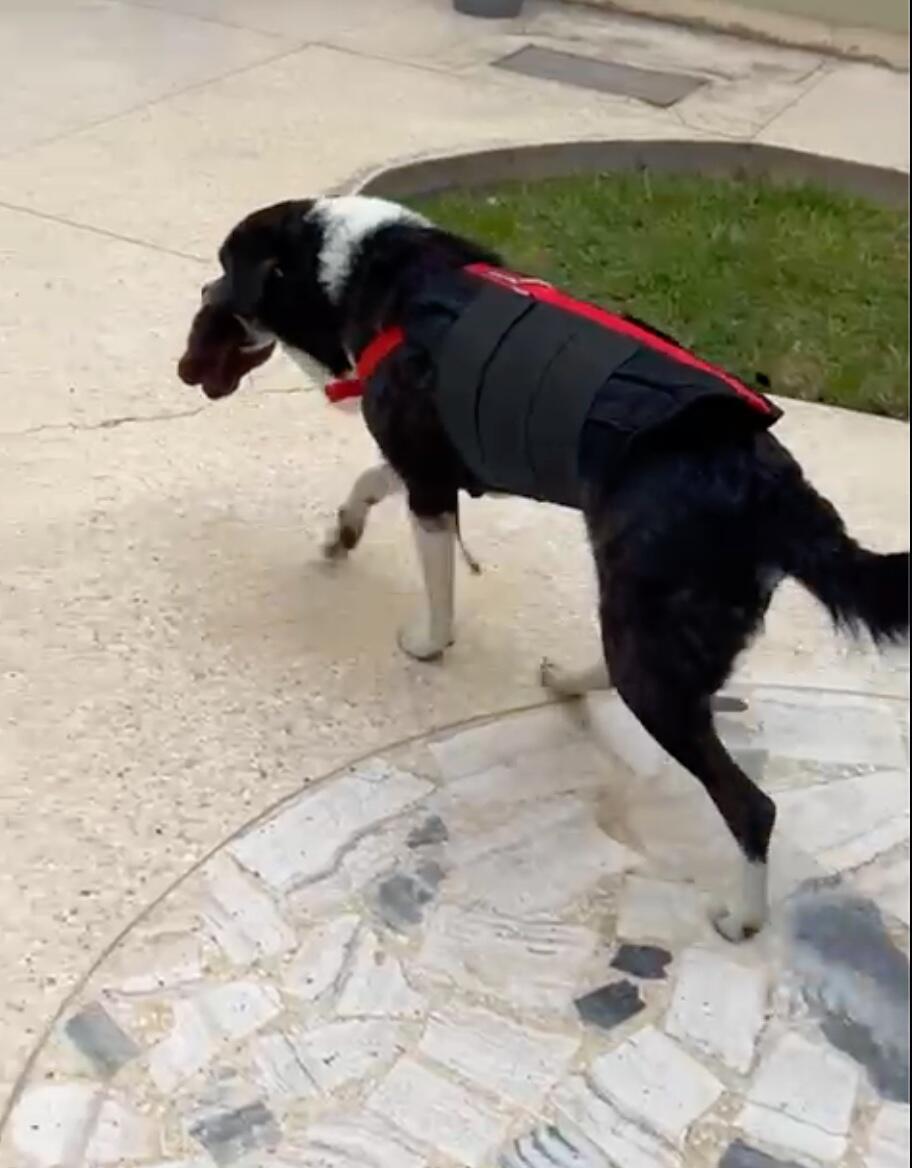
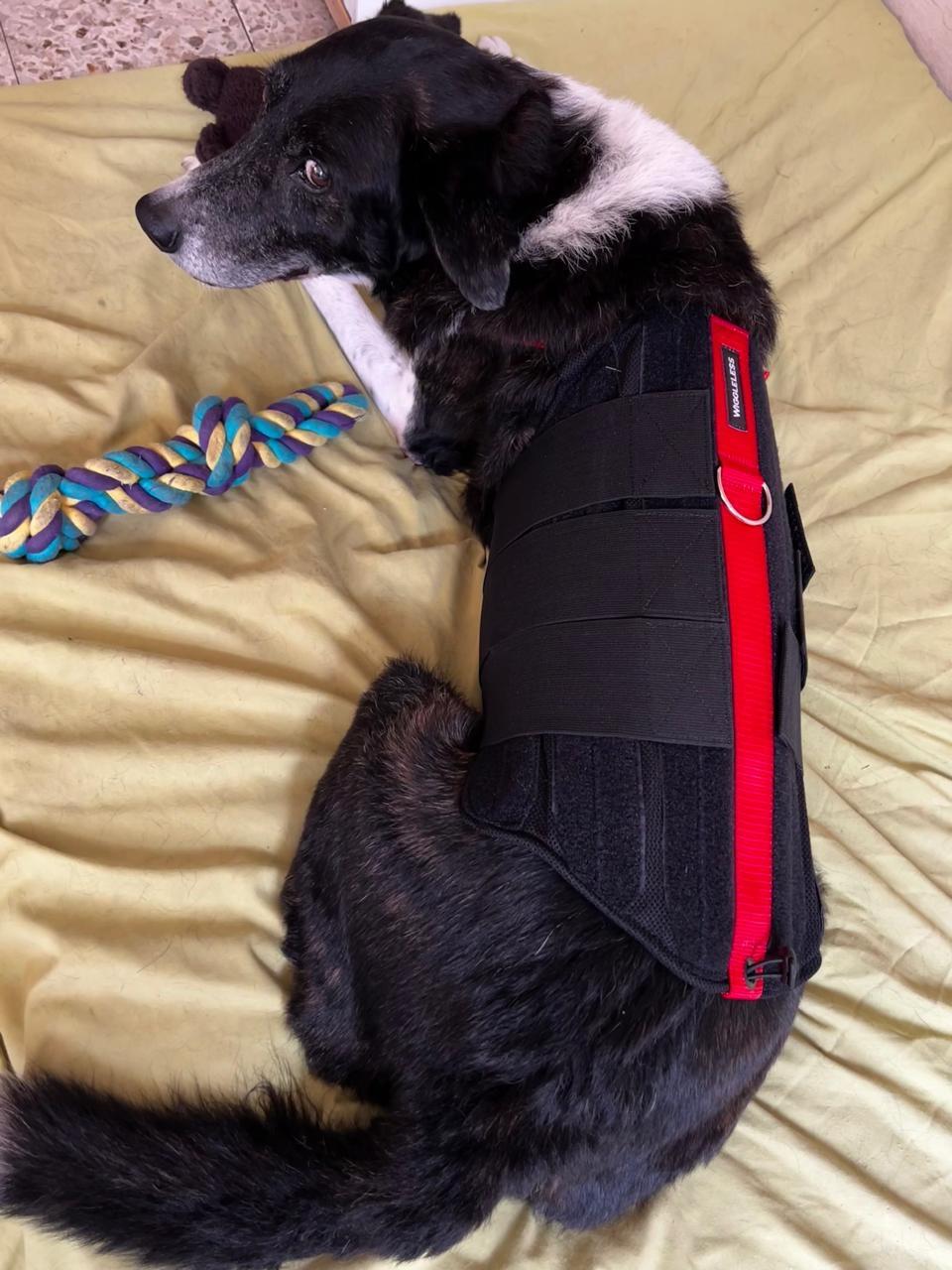
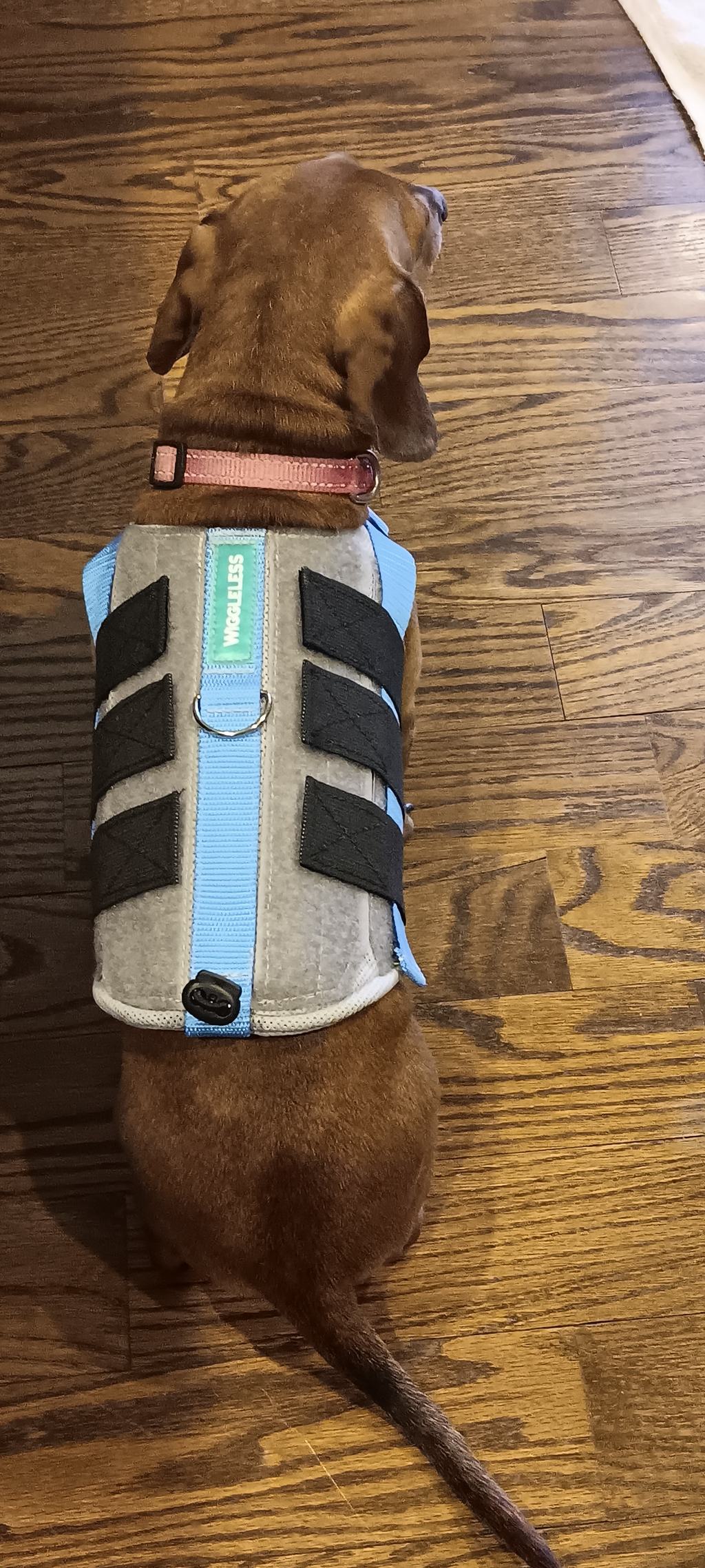
The WiggleLess brace is specifically engineered to provide rigidity to the core spinal area. Its multi-layered design and stays help to hold the dog’s back in a neutral position. This restriction of movement—of the dangerous "wiggle"—is essential during the 4–8 weeks of conservative rest. By limiting spinal motion, the brace:
Minimizes further damage: It mechanically prevents the dog from making sudden twists or jolts that could cause an already compromised disc to rupture further.
Reduces inflammation and pain: Stabilizing the spine allows the inflammation around the nerve root to decrease faster, providing natural relief.
Aids in carrying/handling: When you must lift your dog for bathroom breaks, the brace provides a stable, supported structure, reducing the risk of accidental injury during handling.
2. The Non-Surgical Safety Net
For owners who cannot afford surgery, the WiggleLess brace offers the most comprehensive non-invasive support system available. It ensures that the strict crate rest is as effective as possible by providing 24/7 protection against movement-induced injury, acting as an external cast for the dog’s back.
3. Prevention of Relapse (Rocket’s Story)
Even after a dog has successfully recovered, the threat of a recurrence or a new disc event remains, especially for breeds prone to IVDD. Nicholas Lanier, owner of the Schnauzer/Terrier mix Rocket, learned this first-hand. Rocket recovered completely using medication and the WiggleLess brace, but a period of reduced brace wear led to a minor second flare-up.
Rocket’s successful recovery and sustained health for years afterward hinges on consistent use of the WiggleLess brace as a long-term protective measure. It allows dogs to live a "next-to-normal" life by providing peace of mind and structural support during walks and daily activities, ensuring that a simple, joyous movement doesn’t turn into a life-threatening crisis.
PART IV: The Long-Term What – Living a Happy Life with IVDD
Diagnosis is only the beginning. The long-term success of an IVDD dog depends entirely on the dedication of the owner to environmental modification, maintaining physical health, and promoting a positive emotional state.
Can a dog recover from IVDD?
Can a dog recover from IVDD?
Yes, many dogs can and do recover, particularly with early intervention and scrupulous adherence to conservative management, which involves strict rest and medication for several weeks. Even dogs who experience severe paralysis (like Sadie) can regain function and walk again through intensive, dedicated physical therapy, patience, and unwavering commitment from their owners, though recovery requires significant time and effort.
Can a dog live a happy life with IVDD?
Can a dog live a happy life with IVDD?
Absolutely, yes. Many dogs go on to live very happy and rewarding lives, often resuming many activities with necessary modifications and support systems. The key to a happy life is consistent, careful management, maintaining a healthy weight, strict control of high-impact activity, and using supportive aids like a dog back brace to ensure spinal stability and comfort.
Sadie's Journey: A Testament to Hope and Dedication
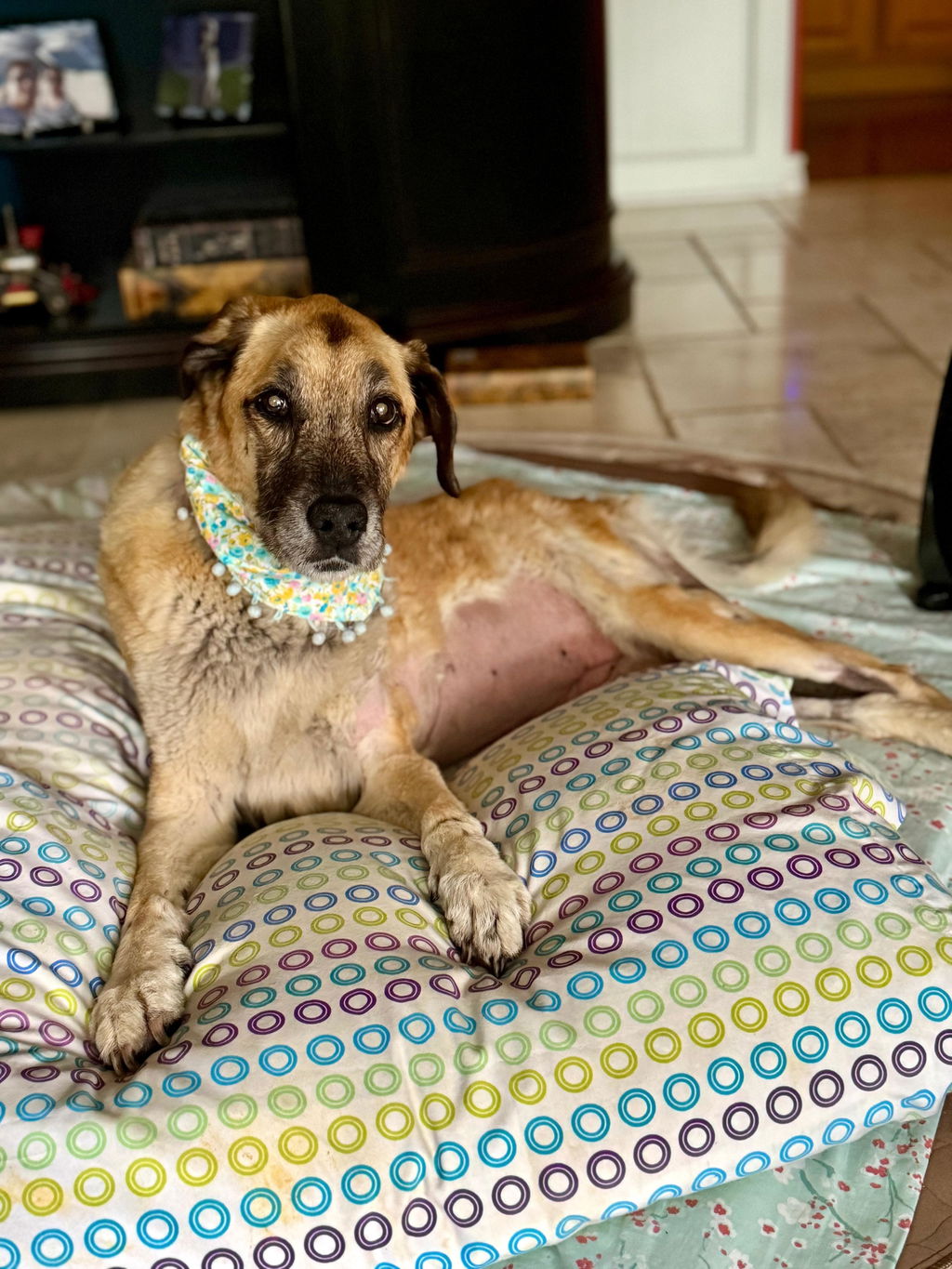
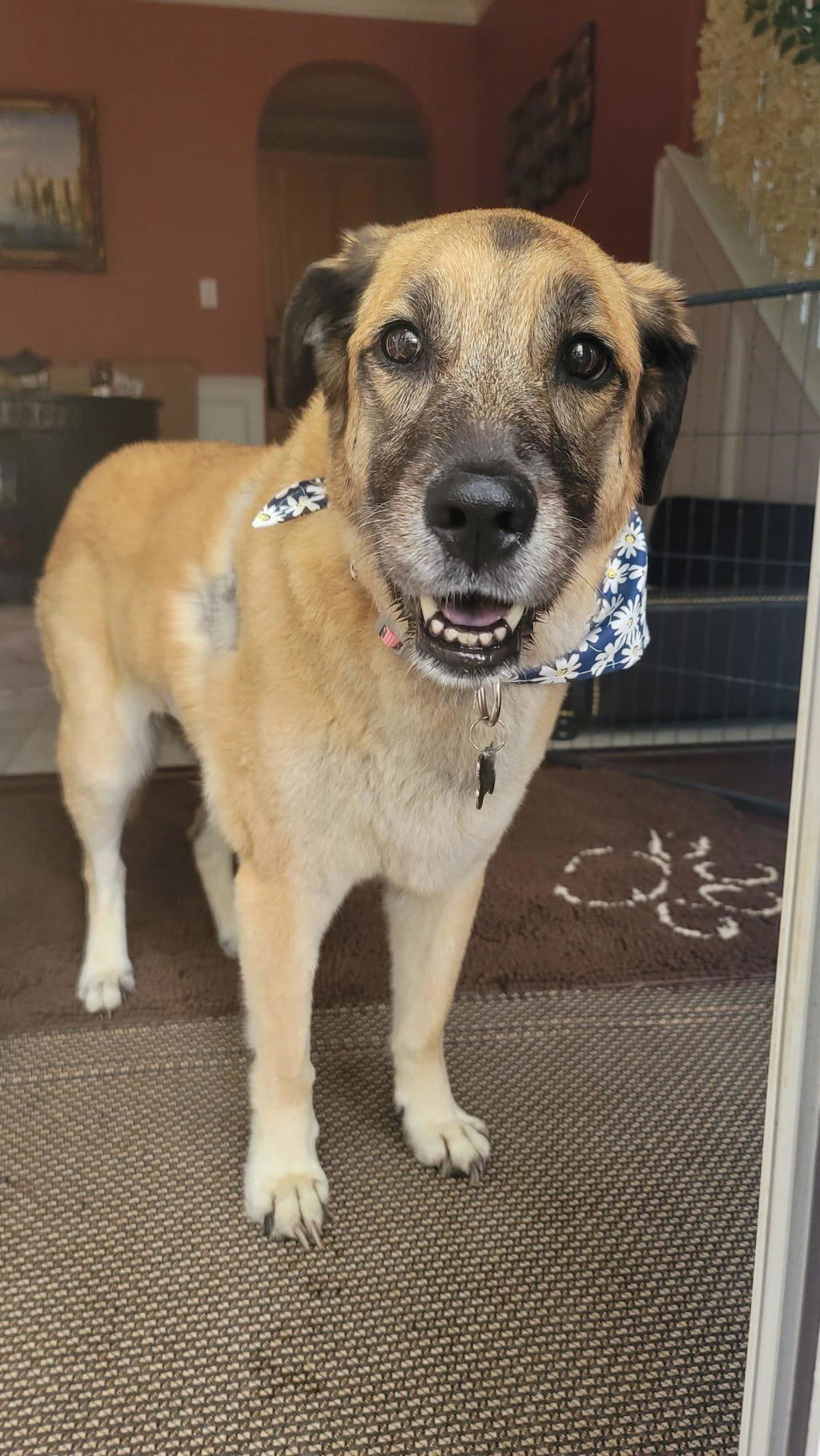
The story of Sadie, a dog who experienced complete paralysis (Grade 5) and was given no chance of walking again by veterinary specialists, serves as a powerful example of recovery through non-surgical dedication.
Sadie’s owner, Doug, refused to accept the prognosis, opting instead for intensive, committed rehabilitation. His methods—while reflecting a personal, non-veterinarian-guided journey—highlight the potential of dedicated conservative care:
Intense Physical Therapy: Daily stretching, manipulation, and homemade hydrotherapy (a pool treadmill).
Continence Management: Learning to manually express the bladder and intestines for health and hygiene.
Long-Term Brace Use: Sadie wore her WiggleLess brace almost constantly, providing the stability necessary for her wobbly, recovering spine.
After four months of relentless effort, Sadie was walking again, albeit wobbly. She went on to resume her therapy dog visits, traveling in a set of wheels initially, but ultimately returning to her loving life. Sadie’s journey confirms that even in the face of devastating diagnosis, hope and hard work can achieve remarkable outcomes.
5 Essential Tips for Long-Term IVDD Management
Caring for an IVDD dog is a commitment that lasts a lifetime. Here are five crucial areas of focus to ensure a happy, relapse-free existence:
1. Environmental Modification: Safety First
Ramps Over Stairs: Absolutely eliminate jumping, leaping, and negotiating stairs. Carry your dog or use gentle, non-slip ramps for access to furniture and the outdoors (Rocket’s owner learned that no stairs meant no exceptions).
Raised Bowls: Elevate food and water bowls so your dog does not have to bend their neck and back down to eat, reducing strain on the cervical spine.
Non-Slip Flooring: Lay down rugs or runners over slippery floors (tile, wood) to prevent slips, which can easily trigger a relapse.
2. Weight Management and Diet
Maintaining a healthy, lean weight is perhaps the most critical component of long-term IVDD management.
Reduce Spinal Stress: Every extra pound places exponentially more stress on the intervertebral discs. A lean dog is a less-stressed dog.
Proper Nutrition: Feed a healthy, complete diet. Sadie’s owner also focused on diet to ensure a firm stool, which is easier to manage and clean up for dogs with partial incontinence. Supplements like Cosequin or Glucosamine may also be beneficial for joint and disc health (consult your veterinarian).
3. Consistent Back Support
Consistent use of the WiggleLess back brace transitioned from a recovery tool to a preventative measure.
Daily Protection: The brace should be worn during all high-risk activities, such as walks, car rides, or any time the dog is unsupervised and might attempt a jump or quick movement.
Long-Term Comfort: The stability the brace provides can reduce chronic, low-grade pain and prevent the cumulative micro-traumas that lead to disc degeneration.
4. Physical Therapy and Muscle Maintenance
Once conservative rest is over and your vet approves, physical therapy is vital to restore muscle strength and coordination that were lost during recovery.
Strength and Muscle timing: Consult a certified canine rehabilitation specialist (CCRP, CCRT or CCRV). They can provide guidance on safe exercises, massage, stretching, and therapeutic modalities like swimming or specialized treadmill work to rebuild the core and limb muscles without stressing the spine.
Caution with Spinal Manipulation: Spinal Manipulation by untrained individuals should be avoided. Human Chiropractors and Veterinarians with specialized training for animals have the skills and knowledge to help. Organizations like the American Veterinary Chiropractic Association and International Veterinary Chiropractic Association certify these practitioners. Discussing treatment with your veterinarian is important before starting chiropractic care.
An IVDD episode is traumatic for both the dog and the owner. Stress can impede healing.
Loving Environment: Dogs thrive on routine and comfort. Provide a peaceful, encouraging environment. Gentle touch and positive reinforcement are key.
Mental Stimulation: Since physical activity is limited, use puzzle toys, snuffle mats, and obedience training (in a non-stressful position) to keep their minds engaged and prevent frustration and depression.
What is the life expectancy of a dog with IVDD?
What is the life expectancy of a dog with IVDD?
IVDD itself is typically a manageable, mechanical condition, and a dog's overall life expectancy is generally unaffected, provided the condition is treated and managed diligently and consistently. With ongoing veterinary care, strict adherence to movement restrictions (especially eliminating jumping), and proper supportive aids like a WiggleLess back brace, dogs can live a next-to-normal, happy, and pain-free life for many years, often only slightly limited by their need for careful handling.
Conclusion: Take Action, Choose Hope
Your dog’s diagnosis of IVDD is a call to action. It is a moment where you must commit to becoming your pet’s ultimate advocate, guardian, and physical therapist.
By understanding the Why—the mechanics of disc disease, symptoms and the urgency of treatment—you are empowered to act quickly. By mastering the What—strict conservative management, environmental modification, timely examination by a veterinarian and crucial spinal stabilization—you ensure the best possible chance for recovery.
Whether your dog recovers through surgery or through dedicated non-surgical care, the journey is long, but the reward is a full and vibrant life. Products like the WiggleLess back brace were designed from personal experience to provide the stabilization and peace of mind you need to navigate this journey. It is a fundamental tool for conservative management, and a non-invasive protective measure that can prevent future relapses and keep your dog comfortable and supported every single day.
Choose hope. Choose action. Choose the support your dog needs to keep wiggling happily for years to come.